
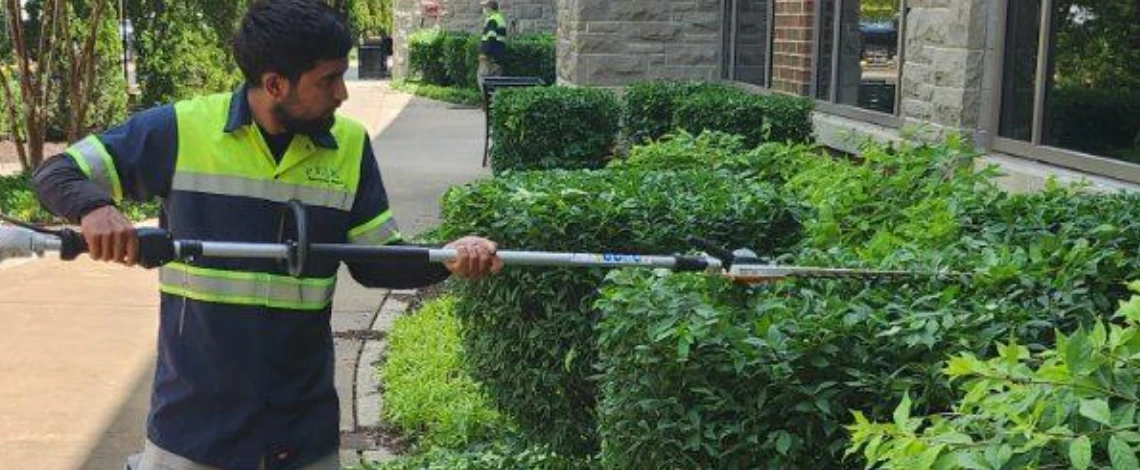
Fall is one of the best times to prune trees and shrubs in Northern and Central Virginia. With the right approach, fall pruning improves plant structure, eliminates hazards, reduces disease risk, and prepares your landscape for vigorous spring growth. This guide explains when to prune in the fall, what to cut, how to do it safely, and what mistakes to avoid so your commercial property stays healthy and professional-looking year-round with help from Virginia Landscape Management.
Timing: When in Fall Is Best
Getting the timing right is crucial for fall pruning success. Virginia’s climate calls for a balance: prune too early and you risk encouraging tender growth that can freeze; prune too late and healing is slowed by winter cold. Here’s how to get it right:
- Wait until after leaf drop
Pruning too early, when plants are still actively growing, can trigger unwanted new growth that won’t harden off before Virginia’s early frosts. Wait until leaves fall and plants approach dormancy. This reveals structure and reduces shock risk. - Avoid pruning too late
Pruning too close to hard freeze periods (typically late November in zones 6–7) can prevent wounds from healing. Light structural work is ideal from late October to mid-November. Major corrections are best saved for late winter.
What to Prune: Focus on Health & Structure
Fall is the time to focus on the essentials, removing what’s damaged, diseased, or dangerous while preserving a healthy shape. This improves airflow, reduces risk, and prepares your plants for dormancy and spring growth.
- Dead, diseased, or damaged limbs
Always remove these first. They sap plant energy and invite pests. - Crossing or inward-growing branches
Clean structure supports airflow and reduces rubbing damage. - Hazardous branches
Eliminate limbs that overhang power lines, walkways, or roofs. - Avoid overpruning
Never remove more than 25–30% of the live canopy. Doing so stresses the plant and reduces energy reserves. - Know your plant species
Shrubs that bloom on old wood (e.g., azaleas, forsythia) should not be pruned in fall, or you risk removing spring blooms. Shrubs that bloom on new wood (e.g,. panicle hydrangea) tolerate light fall pruning better.
Technique: Prune the Right Way
Pruning properly is just as important as what or when you prune. Using incorrect methods can damage trees or slow their recovery. Here’s how to do it right.
- Respect the branch collar
Make cuts just outside the swollen base where a branch meets the trunk. This supports natural healing. - Use the 3-cut method for large limbs
- Undercut 12–18 inches from the trunk
- Make a top cut beyond the undercut to remove the limb
- Make a final angled cut just outside the branch collar
- Avoid topping or flush cuts
These cause decay and disrupt natural growth. - Use sanitized, sharp tools
Clean cuts reduce infection risk. Disinfect between trees. - Skip pruning in wet or freezing conditions
Moisture spreads fungal spores and prevents proper healing.
Common Mistakes to Avoid
Many well-intentioned pruning efforts go wrong due to avoidable missteps. Steer clear of these common errors to keep your landscape strong and resilient.
- Pruning too early in the fall
- Removing too much live wood
- Cutting back flowering shrubs on old wood
- Making flush or stub cuts
- Using dull or dirty tools
- Pruning during damp, rainy, or freezing weather
Avoiding these errors ensures healthier trees and shrubs through winter.
How Virginia Landscape Management Prunes Smarter in Fall
Virginia Landscape Management’s approach to tree care is rooted in local knowledge and ISA-certified best practices. We take the guesswork out of seasonal plant care by combining science, timing, and professionalism in every service we deliver. Our fall pruning practices follow ISA arborist guidelines and Virginia’s seasonal cues.
- Schedule pruning after dormancy begins but before heavy frost
- Focus on safety and structural correction
- Customize pruning by species and growth pattern
- Combine pruning with soil care, mulch, and trunk protection
Every pruning session fits into your year-round commercial landscape maintenance plan. Explore our landscape maintenance services.
Fall Pruning Checklist
Use this checklist to confirm your fall pruning is on track and aligns with best practices for Virginia’s climate and plant life:
- Wait until after leaf drop (mid to late fall)
- Remove dead, diseased, or damaged limbs
- Address crossing or rubbing branches
- Prune hazardous overhangs
- Use branch-collar cuts and sanitize tools
- Avoid pruning in wet or freezing weather
- Don’t remove more than 30% of live wood
- Know your species’ blooming habits
Schedule Smart Pruning with Virginia Landscape Management
Let our team prune your Virginia trees and shrubs the right way this fall. We tailor every visit to your property’s specific needs to ensure stronger structure, better growth, and safer surroundings through every season. Call 703-782-9342 or request your consultation today. By choosing Virginia Landscape Management, you gain a proactive partner committed to preserving the health, value, and curb appeal of your commercial landscape.